All Categories
Featured


Why Thorough Sector Analysis Fuels Company Growth
Table of Contents
, which recognized more than 100 billion in required financial investment, the potential to support tens of thousands of extra tasks by 2050, and the structures for the wider net absolutely no economy to contribute billions to the UK economy.
In specific, it will consider how the sector strengthens the UK supply chain for items and services, and how it develops premium jobs while improving energy security. It will also set out a comprehensive roadmap for providing advantages. The growth strategy will likewise check out the UK's prospective to end up being a world leader in network innovation, abilities and Intellectual Property Rights (IPR), structure on the sector's existing strengths.
In this stage, the consortium will carry out an extensive analysis of the sector's present capacity, future development opportunities and barriers to shipment. This will include a detailed assessment of supply chains, abilities pipelines, financial investment paths and the policy environment. By working carefully with industry stakeholders, the consortium will determine vital spaces, prioritise interventions and establish a clear, actionable roadmap to guarantee the sector can scale at speed.
Leaders in electricity network development and important electrical infrastructure solutions. Professionals in network policy and Green Book-compliant economic impact assessments. Companies of industry-leading workforce intelligence across transmission, distribution and the larger supply chain.
Website Accessibility ComplianceComprehending the Risk-Free Rate in the DCF Model In a DCF (Discounted Capital) design, we calculate the Expense of Equity (Ke) to approximate how much return investors get out of a business's stock. To find Ke, we utilize the formula from the CAPM model: Ke = Risk-Free Rate + (Beta Equity Danger Premium) So, one essential input here is the Risk-Free Rate but what does that really imply? From my understanding The Risk-Free Rate represents the return a financier can make with practically zero threat.
Emerging Industry Marketing Trends for 2026
Now, no financial investment is 100% safe however Government Bonds come closest. Why? Since they're backed by the federal government, which is considered the most reliable customer in the nation. In the stock market, returns are high however so is the threat. In federal government bonds, returns are lower but much more secure. That's why, when analysts want to approximate the Risk-Free Rate, they typically take the 10-year Government Bond yield as a benchmark.
To make it as near to risk-free as possible, we use the fully grown 10-year government bond yield and, if needed, subtract the Country Default Spread specifically for emerging markets where government financial obligation isn't completely safe. Example: Let's say the 10-year Indian Federal government Bond yield is 7.2%, and India's nation default spread is 1.0%.
Website Accessibility ComplianceSimply put: The Risk-Free Rate informs us what return an investor can earn without taking much danger. It's the foundation on which the entire evaluation stands. #Finance.
Expert Growth Solutions Using Verified Data
The GIZ Employment-Oriented MSME Promotion Task (GIZ-MSME) intends to support Jordanian micro, small, and medium business (MSMEs) in line with national techniques by concentrating on food processing, amongst others, as a sector with significant growth and work capacity. More particularly, the job intends to enhance enterprise competitiveness, enhance competencies within MSMEs, and improve the organization and financial investment environment in selected sectors.
Under the auspices of both tasks, the study aimed to supply a general overview of the food processing sector and sub-sectors in terms of structure and market patterns, and major challenges and chances for advancement and development; it was performed in close assessment with relevant stakeholders, making use of previous work done in the area.
All content on is for your basic information and use just and is not planned to address your particular requirements. In particular, the content does not constitute any kind of recommendations, suggestion, representation, recommendation or arrangement by feet and is not intended to be trusted by users in making (or avoiding making) any particular financial investment or other choices.
Share price details might be rounded up/down and therefore not completely precise. Feet is not accountable for any use of material by you outside its scope as specified in the Feet Terms & Conditions.
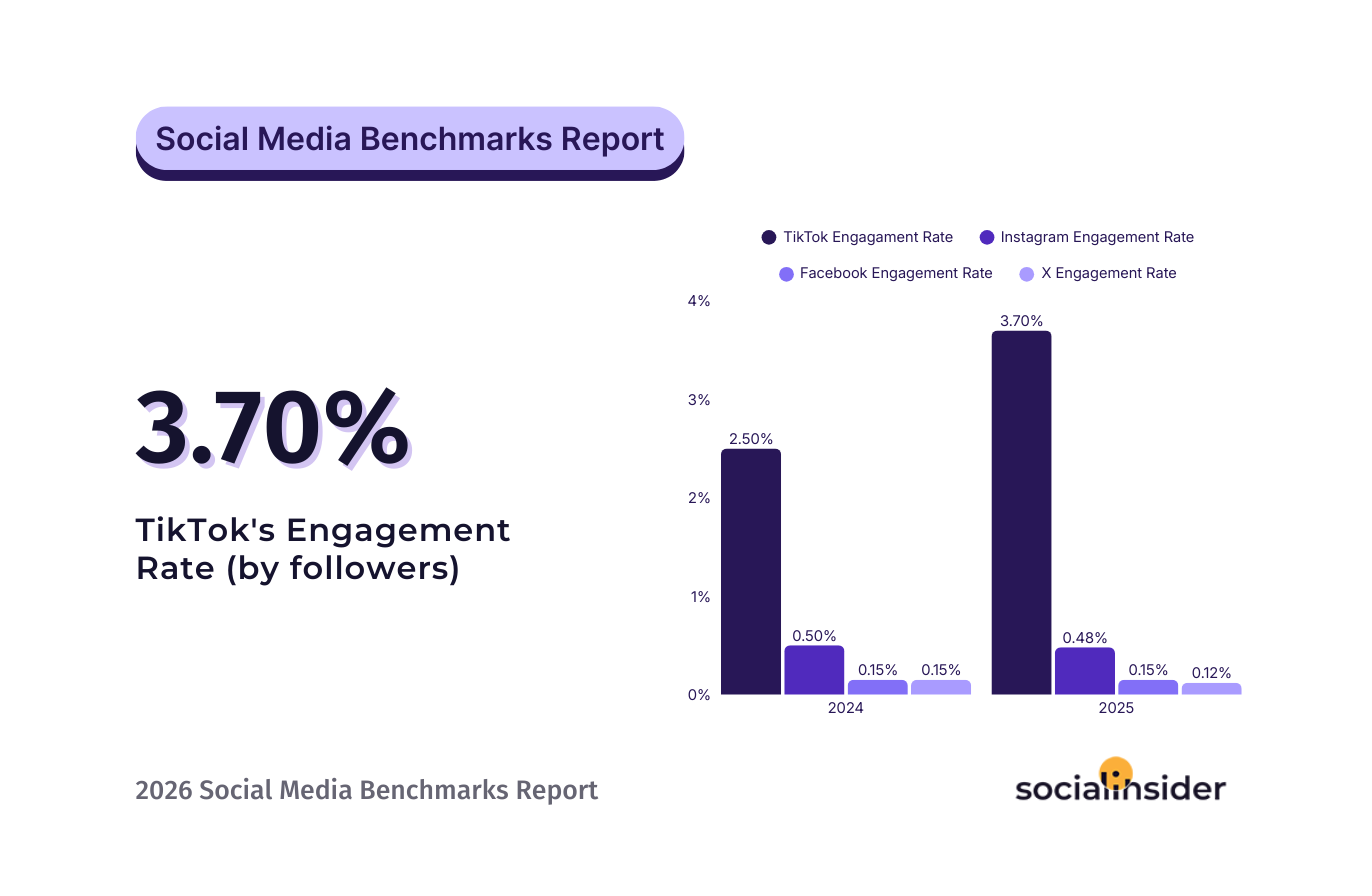
Sector analysis is a crucial tool for investors and companies to evaluate various sections of the economy and identify opportunities for outperformance. It includes examining whole industries and financial sectors to identify growth patterns, competitive landscapes, and prospects relative to the general market. Sector analysis paves method for filtering better performing companies.

Latest Posts

How Predictive Analytics Redefines Marketing in 2026
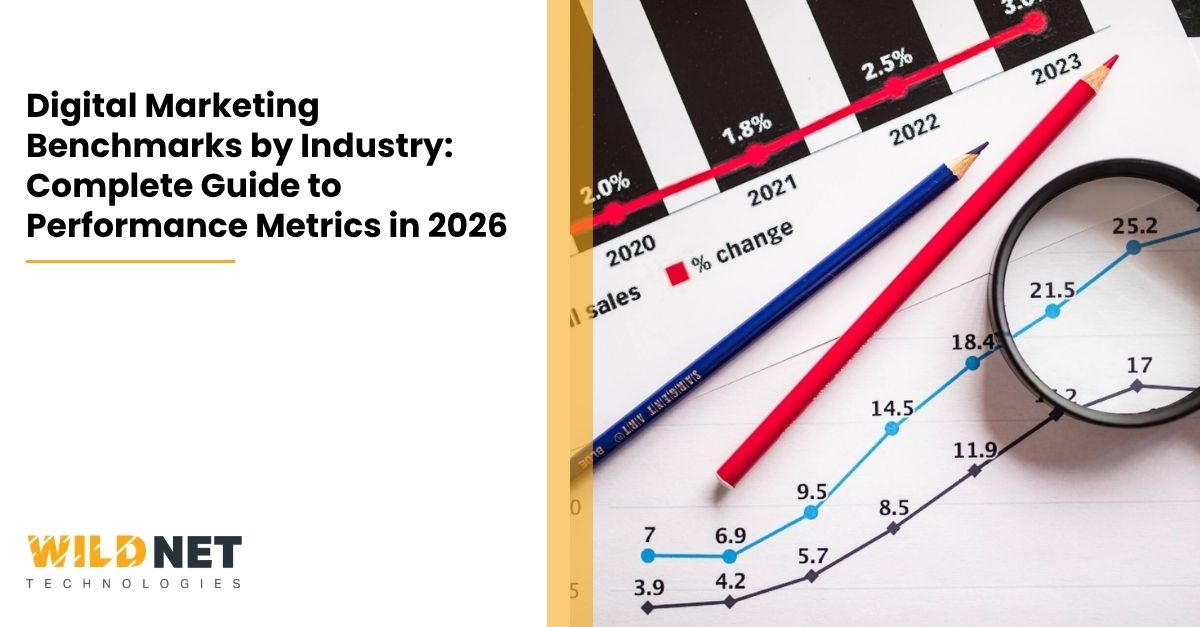
Actionable Marketing Solutions Using Verified Data
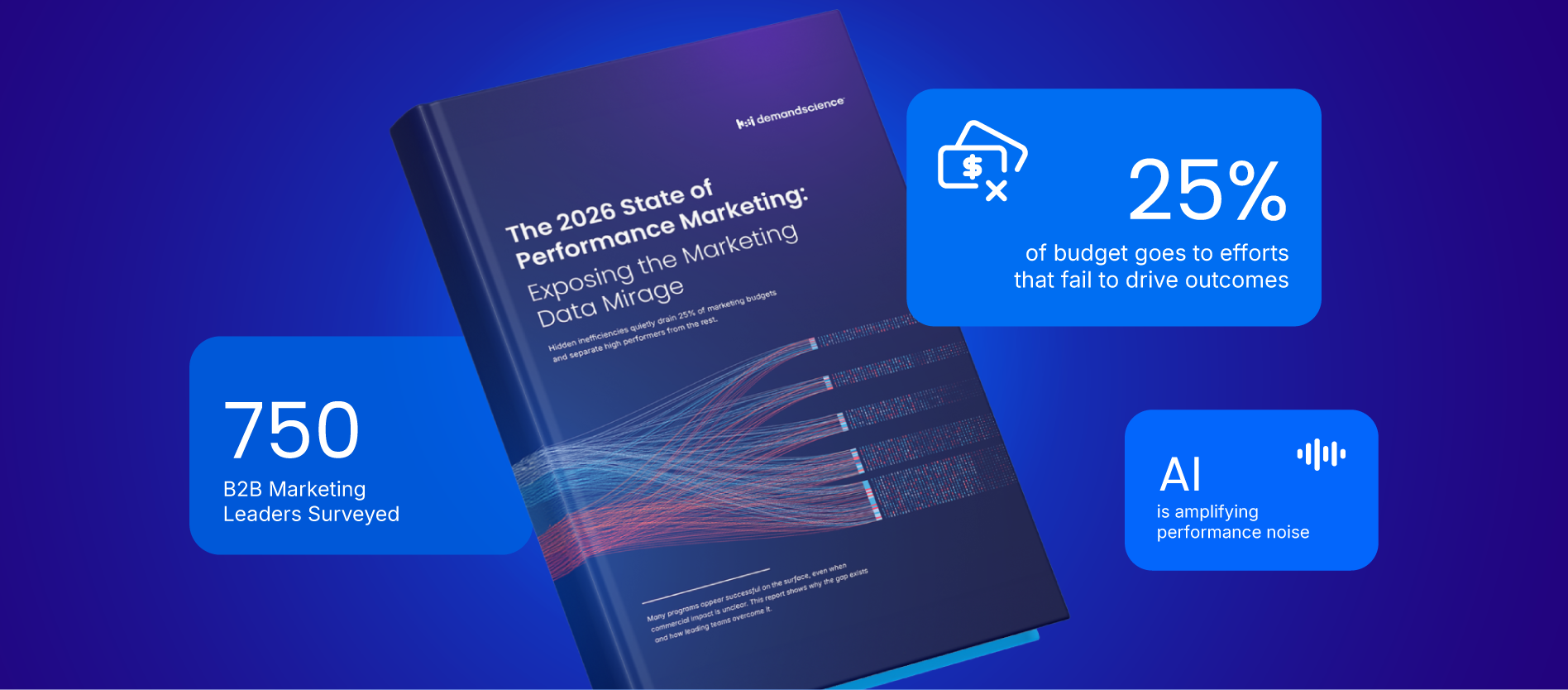
Understanding Market Growth Shifts across Domestic Hubs